
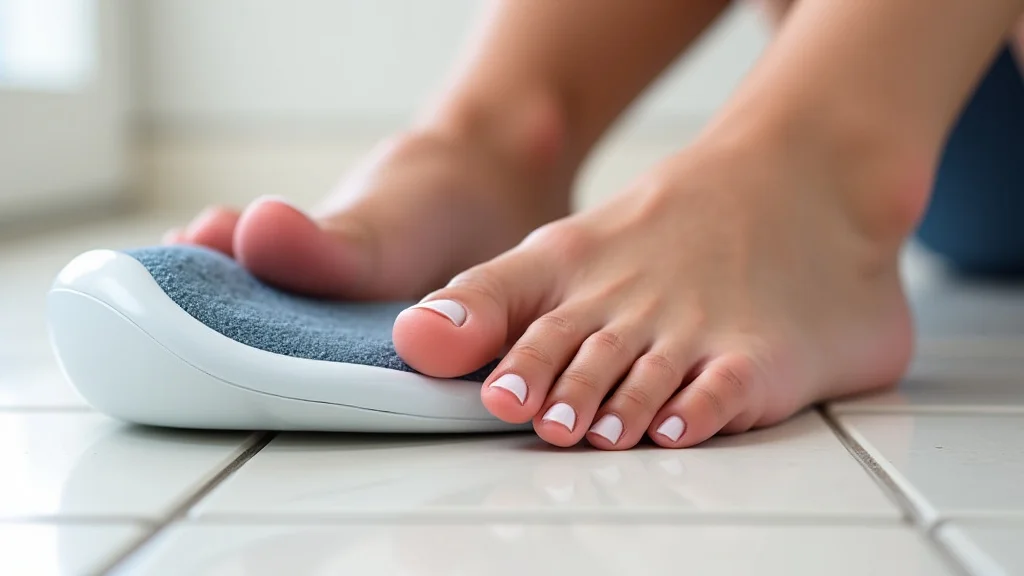

Are your feet feeling rough and dry, like they need a spa day? Many of us deal with calluses and dead skin that can make our feet uncomfortable and less attractive. You might have tried lotions or pumice stones, but they can be time-consuming and not always effective.
An electric foot scrubber for dead skin offers a simple, efficient way to tackle these issues. In this post, you’ll discover how this tool can transform your foot care routine, leaving your feet softer and smoother than ever before.
Key Takeaways
- Electric foot scrubbers remove dead skin and calluses effectively.
- They are easy to use for at-home pedicures.
- Different types offer various features for personalized care.
- Proper cleaning and maintenance ensure device longevity and hygiene.
- This tool can help prevent discomfort from rough skin.
Choosing Your Electric Foot Scrubber For Dead Skin
An electric foot scrubber is a personal care device designed to remove dry, flaky, and dead skin from the feet. It typically features a rotating or oscillating head with an abrasive surface, like sandpaper or a mineral roller. When you glide this head over rough patches, it gently grinds away the excess skin.
These devices are battery-powered or rechargeable, making them convenient for use at home. They aim to provide results similar to professional salon pedicures but with the comfort and privacy of your own bathroom.
The primary function is exfoliation. This process helps to reveal smoother, softer skin underneath. People often turn to these tools to address specific foot concerns such as hard skin on heels, calluses on the balls of the feet, or general dryness.
Unlike manual tools, the electric motor provides consistent power and speed, which can make the process quicker and more even. This makes them a popular choice for those seeking an effective at-home solution for foot health and appearance.
Types of Electric Foot Scrubbers
There are several main types of electric foot scrubbers available, each with slightly different mechanisms and features. Understanding these differences helps in selecting the best device for your needs.
Rotating Head Scrubbers
These are the most common type. They feature a roller head that spins rapidly. The abrasive material on the roller, often made from quartz or diamond crystals, exfoliates the skin.
The speed and pressure you apply can influence the effectiveness and gentleness of the exfoliation. Some models offer multiple speed settings, allowing you to adjust the intensity based on the thickness of your dead skin and your personal comfort level.
These rollers are usually replaceable, ensuring that the abrasive surface remains effective over time. When the roller becomes worn down, you can simply detach the old one and attach a new one. This is a key benefit as it allows the device to maintain its performance and hygiene.
- Mechanism: A powered roller head spins to exfoliate.
- Abrasive Material: Often quartz or diamond crystal micro-particles.
- Adjustability: Many offer multiple speed settings for customized exfoliation.
- Maintenance: Roller heads are typically replaceable.
Oscillating Head Scrubbers
These scrubbers move back and forth in a short, rapid motion. This oscillating action can be gentler than pure rotation for some individuals, offering a less aggressive approach to exfoliation. The abrasive surface is still present, but the movement pattern differs.
They are designed to buff away dead skin without excessive friction.
The oscillating motion can be effective for sensitive skin or for maintaining smooth skin after initial treatment. It mimics a back-and-forth buffing action that many find soothing while still removing rough patches. The goal is effective exfoliation without causing irritation or redness.
- Mechanism: Head moves rapidly back and forth.
- Gentleness: Often considered a gentler option for some skin types.
- Effectiveness: Still capable of removing moderate dead skin and calluses.
- Comfort: The movement can feel less harsh than direct rotation.
Micro-Pulsation Scrubbers
A newer technology involves micro-pulsations. These devices use a combination of gentle vibration and rotation to break down dead skin cells. The idea is to provide a more thorough yet still gentle exfoliation.
They often incorporate finer abrasive materials and sophisticated motor controls to achieve this.
This technology aims to combine the effectiveness of exfoliation with a massage-like sensation, making the process more enjoyable. The rapid micro-movements help to loosen dead skin, making it easier for the abrasive surface to sweep it away. This approach is beneficial for individuals who want deep exfoliation without any harshness.
- Mechanism: Combines vibration and rotation for dead skin removal.
- Gentle Exfoliation: Designed for deep cleaning with minimal irritation.
- Advanced Technology: Often features more sophisticated motor and abrasive designs.
- Skin Feel: Can provide a soothing sensation during use.
Key Features to Consider
When shopping for an electric foot scrubber for dead skin, several features can significantly impact your satisfaction with the device.
Power Source
Electric foot scrubbers come in two main power types: battery-operated and rechargeable. Battery-operated models are convenient if you don’t have easy access to an outlet or want to travel with your scrubber. However, batteries need regular
The battery life on rechargeable units is an important consideration. Look for models that offer a decent run time on a single charge, especially if you plan to use it frequently. Some high-end models may even have a quick-charge function, allowing you to get a few uses out of a short charging period.
- Battery Operated: Uses standard or rechargeable batteries; convenient for portability, but requires battery changes.
- Rechargeable: Plugs in to charge; cost-effective and eco-friendly long-term, often with USB charging options.
- Battery Life: Important for rechargeable models; look for sufficient usage time per charge.
Abrasive Head Types and Grit
The abrasive head is the part that does the work. Most scrubbers use rollers made from materials like quartz, diamond crystals, or ceramic. These materials are chosen for their hardness and exfoliating properties.
The “grit” or coarseness of the head can vary. Some devices come with multiple heads of different grits, allowing you to choose a coarser one for thick calluses and a finer one for smoothing softer skin or maintenance.
Diamond crystal heads are often considered more durable and effective for tougher skin. Quartz heads are also common and effective. Ceramic heads might be found on gentler models.
The ability to replace these heads is crucial for maintaining hygiene and effectiveness. Worn-out heads can become less abrasive and may not clean effectively, potentially leading to irritation.
- Materials: Quartz, diamond crystals, ceramic are common.
- Grit Levels: Coarse heads for tough skin, fine heads for smoothing.
- Replaceability: Essential for hygiene and consistent performance.
- Variety: Some kits include multiple heads for different needs.
Water Resistance
Some electric foot scrubbers are designed to be used in the shower or bath, while others are strictly for dry use. Water-resistant models offer the convenience of exfoliating your feet while you’re already cleaning them. This can save time and make the process more comfortable.
However, devices that are not water-resistant must be kept away from water, and cleaning must be done carefully with a dry brush or cloth.
If you prefer to exfoliate wet feet, ensuring your scrubber is water-resistant is a must. This feature often adds to the cost but provides significant convenience. Always check the product’s IP rating (Ingress Protection) to understand its level of water resistance.
A higher IP rating indicates better protection against water.
- Dry Use Only: Must be kept away from water; cleaning is done dry.
- Wet/Dry Use: Can be used in or out of the shower; offers more convenience.
- IP Rating: Indicates the degree of water and dust protection.
How to Use an Electric Foot Scrubber Effectively
Using an electric foot scrubber for dead skin is straightforward, but following the correct steps ensures the best results and prevents any discomfort.
Preparation
Before you begin, make sure your feet are clean and dry. If you are using a device intended for dry use, ensure no moisture is present. Some people find it helpful to soak their feet in warm water for 10-15 minutes beforehand.
This softens the skin, making it easier for the scrubber to work. However, if your device is specifically for dry exfoliation, skip the soaking step or ensure feet are thoroughly dried afterward. Inspect the abrasive head to ensure it is clean and securely attached to the device.
Gather all necessary supplies. This might include your electric foot scrubber,
- Clean and dry your feet thoroughly.
- Consider a warm water soak to soften skin (if device allows).
- Ensure the abrasive head is clean and attached.
- Have towels and foot cream ready.
The Exfoliation Process
Turn on the electric foot scrubber. Gently glide the rotating or oscillating head over the areas with dead skin. Do not apply excessive pressure, as this can irritate your skin and is unnecessary for effective exfoliation.
Let the device do the work. Move the scrubber slowly and steadily across the rough patches. Focus on heels, soles, and the sides of your feet where calluses tend to form.
You should see the dead skin being buffed away. Wipe the head or your foot periodically to check your progress and remove debris.
It’s important to limit your treatment time. Typically, a few minutes per foot is sufficient. Over-exfoliating can damage healthy skin and lead to soreness or increased sensitivity.
Pay attention to how your skin feels. If you experience any burning or significant discomfort, stop immediately. The goal is to remove the dead skin, not to cause injury.
- Apply light, steady pressure.
- Move the device slowly over rough areas.
- Limit treatment time to a few minutes per foot.
- Stop if you feel discomfort.
Post-Treatment Care
After exfoliating, rinse your feet with water to remove any loosened dead skin particles. Gently pat your feet dry with a clean towel. Apply a generous amount of moisturizing foot cream or lotion to rehydrate and soothe your newly smoothed skin.
This step is crucial for locking in moisture and keeping your skin soft and supple. Massaging the lotion into your skin also enhances circulation and relaxation. For best results, use your electric foot scrubber once or twice a week, depending on your skin’s needs.
Consistency is key to maintaining soft, smooth feet. Regular moisturizing will help prevent the buildup of dead skin and keep your feet looking and feeling their best. You might notice a significant difference after just one use, with continued use leading to consistently soft and healthy-looking feet.
- Rinse feet to remove debris.
- Pat feet dry gently.
- Apply moisturizing foot cream or lotion.
- Use regularly for best results.
Benefits of Using an Electric Foot Scrubber
Incorporating an electric foot scrubber for dead skin into your routine offers numerous advantages for foot health and appearance.
Effective Dead Skin and Callus Removal
The primary benefit is its superior ability to remove stubborn dead skin and calluses. The powered abrasive action is more efficient than manual methods like pumice stones or foot files. It can tackle thicker, hardened skin that might resist other treatments.
This leads to noticeably smoother feet more quickly. The consistent power ensures that the exfoliation is thorough and even across the treated area.
Regular use prevents the accumulation of rough skin, which can prevent discomfort, cracking, and pain. For individuals who spend a lot of time on their feet, this can significantly improve comfort and mobility. The visible results are often immediate, providing a satisfying sense of accomplishment.
- Removes thick, hardened skin efficiently.
- Prevents uncomfortable calluses and cracks.
- Provides smoother, softer skin results.
- Improves foot comfort and mobility.
Convenience and Ease of Use
An electric foot scrubber offers unparalleled convenience for home pedicures. You can achieve salon-quality results without leaving your house or scheduling appointments. The devices are designed for ergonomic handling, making them easy to grip and maneuver.
Most models are intuitive to operate, requiring minimal learning curve. This makes regular foot maintenance accessible to everyone, regardless of their experience with beauty treatments.
The time saved compared to manual scrubbing or professional pedicures is substantial. A quick session with an electric scrubber can be completed in minutes, fitting easily into a busy schedule. For those who find manual scrubbing tiring or difficult, the electric assistance makes foot care much more manageable.
- Salon-quality results at home.
- Ergonomic and easy to handle.
- Simple operation requires no special skills.
- Saves time compared to manual methods.
Improved Foot Health and Appearance
Beyond aesthetics, an electric foot scrubber contributes to overall foot health. Removing dead skin prevents the buildup of bacteria and fungi that can thrive in rough, cracked areas. Healthier skin is less prone to infections.
Furthermore, improved circulation from the gentle massage action can aid in healing and reduce fatigue.
Visually, smooth, well-maintained feet can boost confidence. Whether you’re wearing sandals, going barefoot, or simply want your feet to feel good, this tool helps achieve that. It’s a key component of a good foot care routine that addresses both form and function.
- Reduces risk of infections.
- Promotes healthier skin overall.
- Can improve circulation and reduce fatigue.
- Boosts confidence with attractive feet.
Cost-Effectiveness
While there is an initial investment for the electric foot scrubber, it can be highly cost-effective over time. A single professional pedicure can cost $30-$60 or more. With regular use, an electric foot scrubber can save you significant money by reducing the need for salon visits.
Replacement heads are typically inexpensive and last for many uses, further contributing to the long-term savings. The convenience of at-home treatments also eliminates travel costs and time.
Consider the lifespan of a good quality electric foot scrubber. Many devices are durable and can last for several years with proper care. This makes the initial purchase a worthwhile investment for consistent foot care.
The return on investment in terms of savings, convenience, and improved foot health is substantial.
- Saves money compared to salon pedicures.
- Replacement heads are affordable.
- Durable devices offer long-term value.
- Reduces travel costs and time for appointments.
Maintaining Your Electric Foot Scrubber
To ensure your electric foot scrubber for dead skin performs optimally and hygienically, proper maintenance is essential.
Cleaning the Device
After each use, it’s vital to clean your foot scrubber. If the device is water-resistant, you can rinse the head directly under warm running water. For non-water-resistant models, use a small brush (often included) or a dry cloth to carefully remove any skin debris from the roller head and the device body.
Some models have detachable heads that can be more thoroughly cleaned. Always ensure the device is completely dry before storing it, especially if it has electronic components.
A clean device is not only more hygienic but also functions better. Clogged rollers can become less effective and may even harbor bacteria. Taking a few moments after each use to clean your scrubber will prolong its life and ensure a safe, pleasant experience every time.
- Clean after every use.
- Rinse water-resistant models under running water.
- Use a brush or dry cloth for non-water-resistant models.
- Ensure the device is dry before storage.
Replacing Abrasive Heads
Abrasive heads wear down over time, just like sandpaper. When a head becomes dull or less effective, it’s time to replace it. This is usually indicated by a noticeable decrease in its ability to remove dead skin or a rougher feel on the skin.
Most manufacturers recommend replacing heads after a certain number of uses or a specific period, typically every 2-3 months for regular users. Using worn-out heads can lead to ineffective results and potentially skin irritation.
Always use
- Replace when effectiveness decreases.
- Follow manufacturer recommendations for replacement intervals.
- Use only compatible, manufacturer-approved replacement heads.
- Worn heads can cause irritation and poor results.
Storage
Store your electric foot scrubber in a cool, dry place. If it came with a storage case or pouch, use it to protect the device from dust and damage. Avoid storing it in humid environments like the bathroom if it’s not completely dry, as this can lead to mold or mildew growth.
Proper storage not only keeps the device clean but also preserves its components, ensuring it remains in good working condition for a long time.
Ensuring the charging cable or batteries are also stored appropriately is part of good practice. For rechargeable models, it’s often best to store them with a partial charge rather than fully depleted or fully charged for extended periods. This helps maintain battery health.
- Store in a cool, dry place.
- Use protective cases or pouches.
- Avoid humid environments for non-water-resistant parts.
- Proper storage preserves components and battery life.
Common Myths Debunked
Myth 1: Electric foot scrubbers are too harsh for sensitive skin.
Reality: While some aggressive settings or coarse heads can be too much for very sensitive skin, most modern electric foot scrubbers offer multiple speed settings and interchangeable heads with varying grits. You can start with the lowest speed and finest grit, using light pressure, to gently exfoliate. Many users with sensitive skin find success by gradually introducing the device and paying close attention to their skin’s reaction.
It’s about finding the right setting and technique for your individual needs, rather than a blanket statement about the tool itself.
Myth 2: They are difficult to clean and can spread infections.
Reality: Most electric foot scrubbers are designed with ease of cleaning in mind. Detachable heads are common, allowing for thorough rinsing or brushing. If used correctly and cleaned after each use, the risk of spreading infections is minimal.
The key is hygiene: clean the device properly,
Myth 3: Using an electric foot scrubber replaces professional pedicures entirely.
Reality: While an electric foot scrubber for dead skin is excellent for home maintenance and tackling common issues like calluses, it may not replace all aspects of a professional pedicure. Salons often offer additional services like foot massages, cuticle care, and specialized treatments that an electric scrubber doesn’t provide. It’s a fantastic tool for keeping your feet smooth between salon visits or for those who prefer at-home care, but it’s not a complete substitute for all salon services.
Myth 4: You can get rid of all dead skin in one go.
Reality: While electric foot scrubbers are highly effective, aggressive removal of all dead skin in a single session can be counterproductive and lead to irritation or damage. It’s better to work gradually, removing layers of dead skin over multiple uses. This approach allows the skin to adapt and heal properly, resulting in smoother, healthier feet without discomfort.
Patience and consistency are key for optimal results.
Frequently Asked Questions
Question: How often should I use an electric foot scrubber for dead skin?
Answer: For most people, using an electric foot scrubber once or twice a week is sufficient to maintain smooth skin and prevent significant buildup of dead skin and calluses. If you have very thick calluses, you might use it more frequently initially, but always listen to your skin and avoid over-exfoliation.
Question: Can I use an electric foot scrubber on other parts of my body?
Answer: While some people might be tempted, electric foot scrubbers are specifically designed for the thicker skin on the feet. Using them on more sensitive areas like the face or arms could cause irritation, redness, or damage. It’s best to stick to using them only on your feet.
Question: How do I know if I’m pressing too hard?
Answer: You should feel the abrasive head gently buffing the skin. If you feel any burning, stinging, or excessive pressure, you are likely pressing too hard. The device should glide smoothly over the skin; it doesn’t require firm pressure to be effective.
Question: Are there any electric foot scrubbers that don’t require batteries or charging?
Answer: No, all electric foot scrubbers require a power source, which is either disposable batteries, rechargeable batteries, or a direct electrical connection. There are manual foot scrubbers and pumice stones, but these are not electric.
Question: What should I do if my electric foot scrubber stops working?
Answer: First, check if the batteries are dead or need charging. Ensure the abrasive head is properly attached and not clogged with debris. If the device still doesn’t work, consult the user manual for troubleshooting tips or contact the manufacturer’s customer support for assistance or warranty information.
Conclusion
An electric foot scrubber for dead skin is a valuable tool for achieving and maintaining soft, smooth feet. It effectively removes rough patches and calluses, offering convenience and cost savings. By choosing the right device and using it correctly, you can enjoy healthier, more comfortable feet with minimal effort.
