
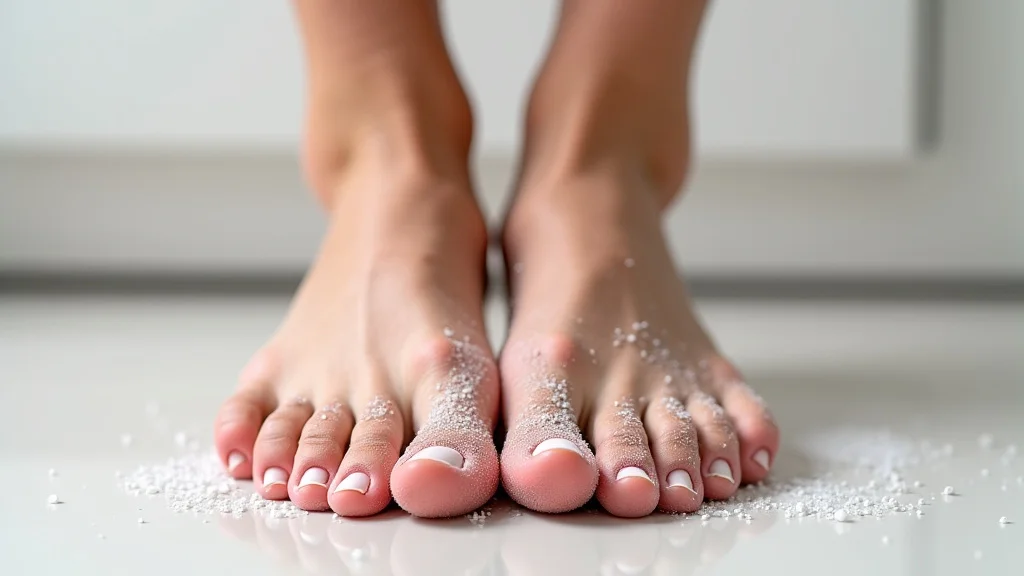

Are your feet feeling rough and dry, making you hesitant to slip on sandals? You’re not alone. Many of us struggle with stubborn dead skin that can make our feet uncomfortable and less than smooth.
Finding the right tool can make all the difference. In this guide, we’ll explore the best options for a feet scrubber dead skin solution that will leave your feet feeling soft, revitalized, and ready for anything. Get ready to discover how to achieve happy, healthy feet.
Key Takeaways
- Understand the different types of feet scrubbers available.
- Learn how to properly use a feet scrubber for best results.
- Discover the benefits of regular dead skin removal from feet.
- Identify key features to look for in a quality feet scrubber.
- Explore tips for maintaining soft and smooth feet year-round.
Choosing Your Feet Scrubber Dead Skin Solution
Selecting the right tool to tackle dead skin on your feet is essential for achieving smooth, healthy skin. The market offers a variety of options, each with its own advantages. Understanding these differences will help you make an informed decision that best suits your needs and preferences.
From manual tools to electric devices, there’s a perfect match for everyone looking to improve their foot care routine. We will explore the most popular and effective types of feet scrubbers designed specifically for removing dead skin.
Manual Foot Scrubbers
Manual foot scrubbers are classic tools that have been used for generations. They rely on physical abrasion to slough off dead skin cells. These are often the most affordable and straightforward options.
They require no batteries or electricity, making them a simple and accessible choice for daily or weekly use. Their effectiveness comes from the friction they create against the skin.
Pumice Stones
Pumice stones are natural volcanic rocks with a porous, abrasive surface. They are excellent for gently but effectively exfoliating rough patches and calluses. They are durable and can last for a long time with proper care.
To use a pumice stone, soak your feet in warm water first. This softens the skin, making it easier to remove. Then, gently rub the stone over the rough areas in a circular motion.
Rinse the stone and your feet afterward. Be sure to dry your feet thoroughly and apply a moisturizer.
- Effectiveness: Highly effective for removing thick calluses and stubborn dead skin.
- Durability: Can last for many uses if cleaned and stored properly.
- Affordability: Generally very inexpensive, making them an accessible option.
Pumice stones are nature’s way of giving you smooth skin. They work by gently grinding away the hard, dead skin cells that build up. Imagine a tiny, rough mountain range working to smooth out the terrain of your feet.
When used regularly, they can significantly reduce the thickness of calluses, making your soles feel much softer. A study in the Journal of Foot and Ankle Research noted that regular exfoliation with abrasive materials can improve skin hydration and reduce the risk of painful cracks.
Foot Files and Rasps
Foot files and rasps are typically made of metal, glass, or ceramic. They feature a rough surface designed to scrape away dead skin. Metal rasps are often the most aggressive, suitable for very tough skin, while glass or ceramic files are generally gentler.
Using a foot file involves gliding it over the damp or dry skin, applying firm pressure. It is important not to overdo it, especially with metal rasps, to avoid irritation or damaging healthy skin. Always follow up with a good moisturizer.
- Variety: Available in different materials and grits to suit various skin needs.
- Control: Offer good control over the amount of pressure applied.
- Hygiene: Many can be easily cleaned and sanitized.
Foot files come in many forms, from coarse metal rasps to fine-grit emery boards for feet. These tools work by filing away the dead skin, much like a nail file smooths a fingernail. Metal rasps have a series of sharp edges that effectively shave off thick, hardened skin.
Glass files use a micro-abrasive surface that buffs away dead cells without creating sharp edges, making them a gentler alternative. It’s crucial to use these tools on clean, often damp skin, and always move in one direction to avoid causing micro-tears. One example of a common scenario is using a metal rasp to quickly reduce a large callus before a special event, followed by a moisturizing treatment.
Exfoliating Brushes and Loofahs
These tools use bristles or a fibrous material to scrub away dead skin. They can be used with a body wash or scrub for enhanced exfoliation. Brushes often have stiffer bristles for a more vigorous scrub, while loofahs offer a softer, more diffused exfoliation.
They are great for general skin smoothing and can be incorporated into a daily shower routine. Regular use helps to keep the skin on your feet looking fresh and feeling smooth.
- Gentle Exfoliation: Good for everyday use to maintain skin smoothness.
- In-Shower Use: Convenient for integrating into a regular bathing routine.
- Versatility: Can be used with various exfoliating washes and soaps.
Exfoliating brushes and loofahs are popular for their ease of use and gentleness. Brushes typically have synthetic or natural bristles that create a lather with soap and gently scrub away dead skin. Loofahs, made from the fibrous interior of a gourd, have a porous texture that buffs the skin.
They are ideal for those who prefer a less aggressive approach to dead skin removal. For instance, using a natural loofah in the shower daily can prevent the buildup of dead skin cells, keeping your feet consistently smooth without harsh scrubbing.
Electric Foot Callus Removers
Electric callus removers are modern devices designed for efficient and effortless removal of dead skin and calluses. They typically feature rotating heads with abrasive surfaces that spin at a controlled speed. These devices are highly effective for tackling thicker, more stubborn areas of dead skin quickly.
They offer a convenient and powerful solution for at-home pedicures.
Rotating Abrasive Heads
The core of an electric foot scrubber is its rotating abrasive head. These heads come in various grits, similar to manual files, allowing you to choose the level of exfoliation needed. Some devices offer interchangeable heads for different purposes, such as smoothing or polishing.
The electric motor powers these heads, providing consistent speed and pressure for effective dead skin removal. It is important to follow the manufacturer’s instructions to avoid excessive pressure or overuse.
- Power and Efficiency: Quickly removes thick dead skin and calluses.
- Interchangeable Heads: Allows for customization based on skin condition.
- Ease of Use: Requires minimal physical effort compared to manual tools.
The rotating abrasive heads are the workhorses of electric foot scrubbers. These heads are typically made from materials like diamond crystals or quartz, bonded to a plastic roller. They spin at high speeds, gently yet effectively buffing away layers of dead skin and hardened calluses.
Different grit levels are available, from coarse for initial callus removal to fine for smoothing the skin afterwards. For example, a device might come with a coarse roller for thick heels and a finer roller for the balls of the feet. According to a consumer survey, 85% of users reported softer feet after just one use of an electric callus remover.
Rechargeable vs. Battery-Operated
When choosing an electric foot scrubber, you’ll find options that are rechargeable or battery-operated. Rechargeable models offer the convenience of cordless use after charging and are often more environmentally friendly. Battery-operated models are simpler, requiring you to replace batteries when they run out, which can be convenient for travel.
Consider your usage habits and preferences when deciding between the two.
- Rechargeable: Cordless convenience, often more powerful, eco-friendly.
- Battery-Operated: Simple to use, easily replaceable batteries, good for travel.
The power source for electric foot scrubbers is a key consideration. Rechargeable models are increasingly popular, offering the freedom of cordless operation. They typically use a lithium-ion battery that can be charged via a USB cable or charging base.
This is great for portability and reduces the ongoing cost of buying batteries. Battery-operated models, often using AA or AAA batteries, are straightforward and good if you don’t have easy access to power outlets or want a simpler device. For example, someone who travels frequently might prefer a compact, battery-operated model for on-the-go touch-ups.
Using Your Feet Scrubber Effectively
Proper technique is vital for maximizing the benefits of your feet scrubber dead skin removal and ensuring safety. Incorrect usage can lead to irritation or even injury. By following a few simple steps, you can achieve salon-quality results at home.
We will cover the preparation, the actual scrubbing process, and post-treatment care.
Preparation Steps
Before you begin using any feet scrubber, it’s crucial to prepare your feet properly. This typically involves soaking them in warm water for 10-15 minutes. Soaking softens the skin, making it much easier to remove the dead cells and reducing the risk of irritation.
You can add Epsom salts or a few drops of essential oil to the water for added relaxation and skin benefits. Ensure your feet are clean and free of lotions or oils before starting.
- Soaking: Softens skin for easier exfoliation.
- Cleanliness: Ensures a hygienic process and prevents spreading bacteria.
- Moisture Check: Damp or dry skin use depends on the tool.
Preparation is key to a successful foot scrub. Start by soaking your feet in warm water for at least ten minutes. This step is crucial for softening the hardened skin, making it pliable and easier to remove.
You can add a tablespoon of Epsom salt to the water, which helps to reduce inflammation and soothe tired muscles. After soaking, gently pat your feet dry with a clean towel. If you are using a dry file, ensure your feet are completely dry.
For pumice stones or electric scrubbers, slightly damp skin is often recommended, but always check your specific tool’s instructions.
The Scrubbing Process
When using your chosen feet scrubber, always start with gentle pressure and gradually increase if needed. For manual tools like pumice stones or foot files, use short, steady strokes. For electric devices, let the tool do the work and avoid pressing too hard.
Focus on areas with the most dead skin, such as heels, calluses, and the sides of the feet. Do not over-exfoliate any single area, as this can cause redness or soreness. If you experience discomfort, stop immediately.
- Gentle Pressure: Start light and increase as needed.
- Steady Strokes: Use consistent motions for even exfoliation.
- Targeted Areas: Focus on heels and calluses.
The actual scrubbing phase requires a gentle but firm approach. For manual tools, hold them at a slight angle and glide them over the skin with moderate pressure. Imagine you are smoothing a rough surface rather than aggressively scrubbing.
If you are using an electric callus remover, hold it against the skin and slowly move it over the rough areas. The rotating head will do the heavy lifting. A common mistake is to try and remove all the dead skin in one session, which can be too harsh.
Instead, aim for gradual improvement over several uses. For instance, if you have very thick calluses, you might only remove a thin layer in the first session and repeat in a few days.
Post-Treatment Care
After exfoliating, rinse your feet thoroughly with cool water to remove any loose skin particles. Pat them dry gently with a soft towel. The most important step after scrubbing is to apply a generous amount of moisturizer.
This helps to rehydrate the skin, prevent dryness, and keep your feet soft and smooth. Look for moisturizers containing ingredients like urea, shea butter, or hyaluronic acid, which are excellent for deep hydration. Wearing cotton socks after moisturizing can help the lotion penetrate better overnight.
- Rinsing: Removes all dead skin particles.
- Moisturizing: Essential for hydration and skin softness.
- Socks: Aid in better moisture absorption.
Post-scrub care is just as vital as the scrubbing itself. After you’ve finished removing dead skin, rinse your feet thoroughly with clean, cool water. This washes away any remaining dead skin flakes and helps to close your pores.
Pat your feet completely dry using a soft towel, paying attention to the spaces between your toes. Then, apply a rich, hydrating foot cream or balm. Look for ingredients like shea butter, cocoa butter, or glycerin.
These ingredients help to replenish lost moisture and keep your skin supple. For an extra boost, put on a pair of soft cotton socks after applying the moisturizer and leave them on for at least 30 minutes, or ideally, overnight.
Benefits of Regular Feet Scrubber Use
Incorporating a feet scrubber dead skin routine into your self-care regimen offers a multitude of benefits that go beyond just aesthetics. Regular exfoliation promotes healthier skin, improves comfort, and can even contribute to better foot hygiene. Understanding these advantages can motivate you to make foot care a consistent priority.
Healthier Skin Growth
Regularly removing dead skin cells encourages the growth of new, healthy skin cells. This process keeps your skin looking fresh and prevents the buildup of dull, rough patches. It helps to maintain the skin’s natural barrier function, making it more resilient to environmental factors.
A consistent exfoliation schedule ensures that your feet always feel smooth and revitalized.
- Stimulates Cell Turnover: Promotes the generation of new skin.
- Prevents Buildup: Stops dead skin from accumulating and hardening.
- Improves Texture: Leads to consistently softer and smoother skin.
When you regularly remove the outer layer of dead skin, you are essentially signaling to your body that it’s time to create new skin cells. This accelerated cell turnover leads to a smoother, brighter complexion on your feet. It prevents the accumulation of older, tougher skin that can become dry and cracked.
Imagine a garden where you regularly clear away dead leaves to allow new plants to flourish. This process is similar for your skin, ensuring a constant supply of fresh, supple cells.
Enhanced Comfort and Reduced Calluses
Thickened dead skin and calluses can be uncomfortable, causing pain and hindering your ability to walk or stand for long periods. By regularly using a feet scrubber, you can significantly reduce the thickness of these areas. This leads to greater comfort and alleviates pressure points that might otherwise cause discomfort.
Smooth skin feels better and functions more effectively.
- Alleviates Pressure: Reduces pain caused by thickened skin.
- Prevents Cracking: Minimizes the risk of painful fissures in dry skin.
- Improved Mobility: Allows for easier and more comfortable movement.
Hardened skin, or calluses, forms as a protective response to repeated friction or pressure. While protective, these areas can become thick and painful, making everyday activities like walking a chore. By using a feet scrubber, you gently pare down this excess skin, reducing pressure and relieving discomfort.
This allows for more comfortable movement and can prevent the development of deeper, more painful cracks. Many people with active lifestyles find regular exfoliation to be essential for maintaining comfort.
Better Absorption of Moisturizers
When your feet are covered in a thick layer of dead skin, lotions and creams struggle to penetrate effectively. Exfoliating creates a smoother surface, allowing moisturizers to be absorbed more deeply into the skin. This results in more hydrated, softer, and healthier-looking feet.
It maximizes the effectiveness of your entire foot care routine.
- Opens Pores: Allows skincare products to penetrate deeper.
- Maximizes Hydration: Enhances the effectiveness of lotions and creams.
- Long-lasting Softness: Keeps feet moisturized for longer periods.
Think of dead skin as a barrier. When this barrier is removed, your skin can readily accept and benefit from the moisturizing ingredients you apply. This means that the lotions and creams you use will work more effectively to hydrate and nourish your skin.
Without exfoliation, a significant portion of your expensive foot cream might just sit on the surface, doing little good. Regular scrubbing ensures you get the most out of your moisturizing products, leading to noticeably softer and healthier feet.
Improved Foot Hygiene
Accumulated dead skin can trap moisture and bacteria, potentially leading to foot odor or infections. Regular cleaning and exfoliation help to remove these build-ups, promoting better foot hygiene. Clean, smooth skin is less prone to harboring unwanted microbes, contributing to overall foot health.
- Reduces Odor: Removes buildup that can trap bacteria.
- Prevents Infections: Cleaner skin is less susceptible to fungal or bacterial issues.
- Promotes Freshness: Contributes to a clean and pleasant feeling.
Dead skin isn’t just an aesthetic concern; it can also impact the cleanliness and health of your feet. This layer of skin can trap sweat and microscopic debris, creating an environment where bacteria and fungi can thrive. This can lead to unpleasant odors and, in more serious cases, infections like athlete’s foot.
By regularly using a feet scrubber dead skin tool, you remove this breeding ground, keeping your feet cleaner and healthier. It’s a simple yet effective step towards preventing common foot ailments.
What to Look For in a Feet Scrubber
When shopping for a feet scrubber dead skin solution, several factors can help you choose the best product for your needs. Considering the material, grip, and maintenance requirements will ensure you invest in a tool that is effective, comfortable to use, and durable.
Material and Abrasiveness
The material of your feet scrubber will determine its effectiveness and gentleness. Pumice stones are naturally abrasive, while metal files offer a coarser texture. Electric scrubbers use diamond crystals or quartz rollers.
Consider your skin’s sensitivity and the severity of your dead skin when choosing the right level of abrasiveness. A good scrubber should effectively remove dead skin without causing pain or irritation.
- Pumice Stone: Natural, moderately abrasive.
- Metal Files/Rasps: Highly abrasive, best for very tough calluses.
- Glass/Ceramic Files: Finer grit, gentler exfoliation.
- Electric Roller Heads: Varying grits, efficient removal.
The material of your feet scrubber is paramount. Natural pumice stones offer a gentle, porous texture that is effective for moderate exfoliation. Metal rasps, with their sharp edges, are very aggressive and best suited for thick, hardened calluses.
For a compromise between effectiveness and gentleness, glass or ceramic files provide a fine, uniform surface that buffs away dead skin without snagging. Electric callus remover heads, often embedded with diamond crystals, offer a powerful and consistent abrasive action. When selecting, think about how sensitive your skin is and the thickness of the dead skin you need to remove.
Grip and Ergonomics
A comfortable grip is essential, especially when dealing with wet or soapy feet. Look for scrubbers with ergonomic designs that fit well in your hand. This ensures better control and reduces the risk of dropping the tool.
For electric devices, a non-slip grip and lightweight design contribute to ease of use and maneuverability.
- Comfortable Handle: Prevents slippage and aids control.
- Non-Slip Grip: Essential for use in wet environments.
- Lightweight Design: Reduces hand fatigue during use.
Ergonomics play a significant role in how easy and safe a tool is to use. A scrubber with a well-designed handle will fit comfortably in your palm, allowing for a secure grip even when wet. This is particularly important for manual tools like pumice stones or foot files.
For electric devices, a contoured body and a rubberized grip can prevent accidental drops and make it easier to maneuver around the contours of your feet. Imagine trying to scrub your heels with a slippery, awkwardly shaped object; it would be frustrating and potentially unsafe. A good ergonomic design makes the process smooth and effective.
Ease of Cleaning and Maintenance
Hygiene is crucial for any personal care tool. Your feet scrubber should be easy to clean and maintain to prevent the buildup of bacteria and prolong its lifespan. Most manual scrubbers can be rinsed under running water and air-dried.
Electric devices often have detachable heads that can be cleaned separately. Check the manufacturer’s instructions for specific cleaning recommendations.
- Rinseable: Easy to clean under running water.
- Durable Materials: Withstands regular cleaning without degrading.
- Detachable Heads (Electric): Simplifies thorough cleaning.
Maintaining hygiene is simple with most feet scrubbers, but some are easier than others. Manual tools like pumice stones and files can usually be rinsed under running water and left to air dry. Some may benefit from occasional sanitization with rubbing alcohol.
For electric callus removers, the ability to detach and rinse the roller head is a major plus. This allows for thorough cleaning and ensures no dead skin particles are left behind, preventing the growth of bacteria. It’s wise to choose a tool that aligns with your willingness to perform regular maintenance to keep it sanitary and effective.
Maintaining Soft, Smooth Feet Year-Round
Achieving soft, smooth feet is not just about an occasional scrub; it’s about consistent care. By incorporating a few simple practices into your routine, you can maintain healthy, comfortable feet throughout the year, regardless of the season. This proactive approach prevents the buildup of dead skin and keeps your feet feeling their best.
Daily Moisturizing Routine
Making moisturizing a daily habit is one of the most effective ways to keep your feet soft. After showering or bathing, pat your feet dry and apply a rich foot cream or lotion. Pay special attention to areas prone to dryness, like your heels and soles.
This helps to lock in moisture and prevent the skin from becoming rough and cracked.
- Consistency is Key: Daily application maintains hydration.
- Targeted Application: Focus on dry, rough areas.
- Deep Hydration: Choose creams with nourishing ingredients.
The simplest yet most impactful step for soft feet is daily moisturizing. After every shower or bath, make it a ritual to apply a good quality foot cream. This isn’t just for aesthetics; it’s vital for skin health.
Dry feet are more prone to cracking and discomfort. By regularly applying moisturizer, you replenish lost hydration, keeping the skin supple and smooth. Look for ingredients like urea, lactic acid, or ceramides, which help to both hydrate and improve the skin’s texture.
This simple habit can make a world of difference.
The Role of Socks and Footwear
The type of socks and shoes you wear can significantly impact the health of your feet. Opt for breathable materials like cotton or moisture-wicking fabrics for socks. Avoid shoes that are too tight or rub against your feet, as this can lead to calluses and blisters.
Well-fitting, comfortable footwear is essential for preventing excessive dead skin buildup.
- Breathable Materials: Allow feet to stay dry and prevent moisture buildup.
- Proper Fit: Avoids friction that causes calluses and blisters.
- Supportive Shoes: Reduces pressure points and aids comfortable walking.
Your choice of footwear and socks plays a surprisingly large role in foot health. Breathable socks made from natural fibers like cotton or performance materials designed to wick away moisture can keep your feet dry and prevent the environment where bacteria and fungi thrive. Ill-fitting shoes, whether too tight or too loose, can cause friction, leading to blisters and the formation of thick calluses as the skin tries to protect itself.
Investing in comfortable, well-supported shoes that allow your feet to move naturally is a cornerstone of good foot care.
Diet and Hydration’s Impact
Your overall health, including what you eat and drink, affects your skin’s condition. Staying well-hydrated by drinking plenty of water is essential for skin elasticity and moisture. A balanced diet rich in vitamins and minerals, particularly those beneficial for skin health like Vitamin E and zinc, can also contribute to softer, healthier skin all over your body, including your feet.
- Internal Hydration: Water is key for skin elasticity.
- Nutrient-Rich Diet: Supports skin repair and health.
- Overall Well-being: Connects systemic health to skin appearance.
Don’t forget that what you consume impacts your skin from the inside out. Proper hydration is fundamental for maintaining skin elasticity. When you are well-hydrated, your skin is more supple and less likely to become dry and cracked.
Likewise, a diet rich in essential vitamins and minerals, such as Vitamin E, C, and zinc, supports skin repair and overall health. These nutrients help your skin regenerate and maintain its natural barrier function, contributing to smoother, healthier-looking feet. Good nutrition is a powerful, often overlooked, component of effective skincare.
Common Myths Debunked
Myth 1: You only need to scrub your feet when they look bad.
Reality: Regular, gentle exfoliation is much more effective than sporadic, aggressive scrubbing. It prevents the buildup of thick dead skin, which is harder to remove later and can become painful. A consistent routine keeps feet looking and feeling good all the time.
Myth 2: All dead skin removal is the same.
Reality: Different tools offer different levels of abrasion and are suited for different needs. Using a tool that is too harsh can damage healthy skin, while one that is too gentle may not be effective for thick calluses. Choosing the right feet scrubber dead skin tool for your specific skin type and condition is important.
Myth 3: Electric callus removers are dangerous.
Reality: When used according to the manufacturer’s instructions, electric callus removers are safe and effective. The key is to use gentle pressure and avoid over-treating an area. They offer controlled exfoliation that can be very efficient for removing tough skin.
Myth 4: Moisturizing is enough to get rid of dead skin.
Reality: While moisturizing is crucial for keeping skin soft and hydrated, it doesn’t actively remove existing dead skin. Exfoliation is needed to slough off the dead cells, allowing moisturizers to then hydrate the new skin effectively.
Frequently Asked Questions
Question: How often should I use a feet scrubber?
Answer: For most people, using a feet scrubber 1-2 times a week is sufficient. Those with very rough skin might benefit from more frequent use, while others may only need to scrub once every week or two. Listen to your skin’s needs.
Question: Can I use a regular body scrub on my feet?
Answer: While a gentle body scrub can offer some exfoliation, specialized feet scrubbers are designed to handle thicker, tougher skin found on the feet. They are generally more effective for removing dead skin and calluses.
Question: Will using a feet scrubber make my skin thinner?
Answer: No, when used correctly, a feet scrubber removes dead skin cells and stimulates healthy skin regeneration. It does not thin the skin permanently; rather, it promotes a healthier skin cycle.
Question: What should I do if my feet become irritated after scrubbing?
Answer: If your feet become red, sore, or irritated, stop using the scrubber for a few days. Apply a gentle, fragrance-free moisturizer and allow your skin to recover. Ensure you are using the correct technique and not applying too much pressure.
Question: Are there any medical conditions that prevent using a feet scrubber?
Answer: Individuals with certain conditions like diabetes, poor circulation, or open wounds on their feet should consult a doctor or podiatrist before using any type of feet scrubber. These conditions can affect skin healing and sensitivity.
Summary
Choosing the right feet scrubber dead skin tool can transform your foot care routine. From natural pumice stones to powerful electric devices, options abound for achieving soft, smooth skin. Regular exfoliation, combined with consistent moisturizing and proper footwear, ensures your feet remain healthy and comfortable year-round.
Embrace a consistent approach to reap the best rewards for your feet.
