
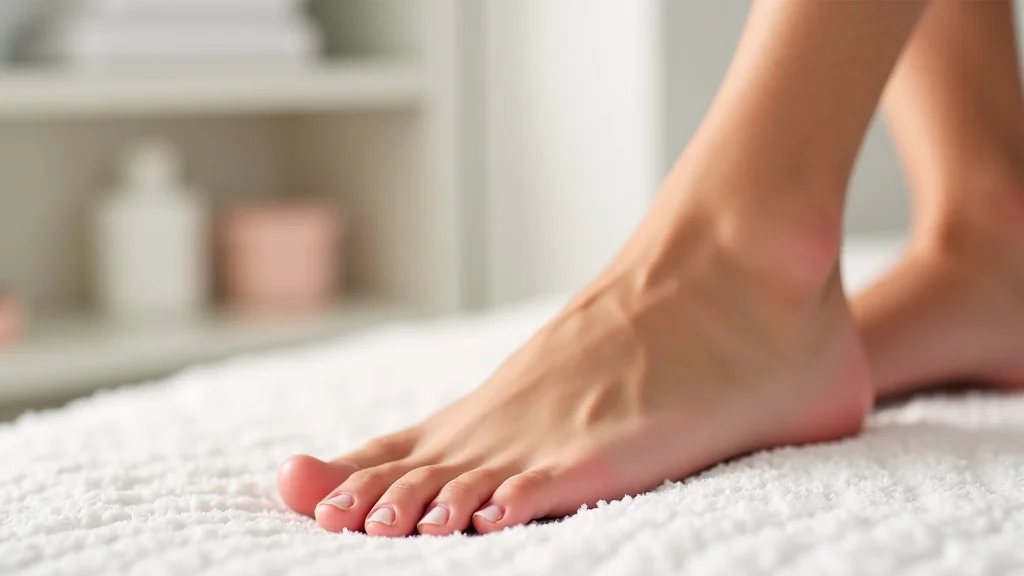

Are your feet feeling rough and dry, making you hesitant to slip into sandals? You’re not alone. Many of us struggle with stubborn dead skin that makes our feet look and feel less than ideal.
This post will show you how to effectively tackle this common issue, revealing softer, smoother skin. You’ll learn practical tips and discover the best tools to achieve baby-soft feet, boosting your confidence and comfort.
Key Takeaways
- Understand the importance of regular exfoliation for healthy feet.
- Learn about different types of foot scrubbers and their benefits.
- Discover how to properly use a foot scrubber for optimal results.
- Find tips for preventing future dead skin build-up.
- Explore ways to enhance your foot care routine with moisturizers and treatments.
Choosing Your Foot Scrubber Dead Skin Remover
Selecting the right foot scrubber dead skin remover is your first step toward achieving healthier, smoother feet. The market offers a variety of tools, each designed to address dead skin build-up in different ways. From manual brushes to electric devices, the options can seem overwhelming.
Your choice will depend on your skin’s sensitivity, the severity of the dead skin, and your personal preference for how you like to exfoliate.
Manual Foot Scrub Brushes
Manual foot scrub brushes are a classic and affordable option. They typically feature bristles made from natural or synthetic materials. These bristles work to physically slough away dead skin cells through friction.
The intensity of exfoliation can be controlled by the pressure you apply and the stiffness of the bristles.
-
Natural Bristles
Brushes with natural bristles, like those made from boar hair or plant fibers, tend to be softer. They are a good choice for individuals with sensitive skin or those who prefer a gentler exfoliation experience. These bristles are effective at removing light dead skin without causing irritation.
-
Synthetic Bristles
Synthetic bristles, often made of nylon or plastic, can be firmer and more durable. They are excellent for tackling tougher calluses and more significant dead skin build-up. These brushes provide a more vigorous scrub, making them suitable for those who need a deeper exfoliation.
Pumice Stones
Pumice stones are volcanic rocks with a naturally abrasive surface. They are highly effective at buffing away rough skin and calluses. Pumice stones are best used on wet skin during a bath or shower.
They are a natural and environmentally friendly option.
-
How to Use
To use a pumice stone, soak your feet in warm water for at least 10 minutes to soften the skin. Gently rub the pumice stone in a circular motion over the rough areas. Rinse the stone and your foot frequently to remove loosened skin.
Do not scrub too aggressively to avoid irritating the skin.
Electric Foot Files
Electric foot files have become increasingly popular due to their convenience and power. These devices use rotating heads with abrasive surfaces to quickly and efficiently remove dead skin and calluses. They offer a less physically demanding way to exfoliate.
-
Types of Heads
Electric foot files come with various roller heads designed for different purposes. Some are coarse for heavy calluses, while others are finer for smoothing. Many models allow you to switch heads based on your needs.
-
Ease of Use
The motorized action of these devices means you don’t need to apply much pressure. This makes them ideal for people who have difficulty reaching their feet or have reduced hand strength. They can significantly speed up the exfoliation process.
Exfoliating Socks and Peels
For a different approach, exfoliating socks or peels offer a chemical exfoliation method. These products contain alpha hydroxy acids (AHAs) or beta hydroxy acids (BHAs) that break down dead skin cells. You wear the socks for a specified period, and then the dead skin peels off over several days.
-
The Peeling Process
After using exfoliating socks, your feet may not feel immediately smoother. Instead, over the next 3-7 days, the dead skin will gradually peel away, revealing fresh, new skin underneath. This method requires patience but can yield impressive results.
-
Key Ingredients
Common ingredients include lactic acid, glycolic acid, and salicylic acid. These acids work to dissolve the bonds holding dead skin cells together. It’s important to follow the instructions carefully and avoid if you have open wounds or sensitive skin.
How to Use Your Foot Scrubber Dead Skin Remover Effectively
Once you have chosen your ideal foot scrubber dead skin remover, knowing how to use it correctly is key to maximizing its benefits and avoiding irritation. Proper technique ensures you remove dead skin efficiently while keeping your feet healthy and comfortable. It’s not just about the tool, but also about the process.
Preparation is Key
Before you start scrubbing, preparing your feet is crucial. Soaking your feet in warm water for 10-20 minutes softens the dead skin. This makes it much easier to remove and reduces the risk of scratching or irritating your skin.
Adding Epsom salts to the water can also help relax your feet and further soften the skin.
-
Warm Water Soak
A simple soak in warm water is highly effective. Ensure the water is comfortably warm, not hot, to avoid drying out your skin further. This step is fundamental, whether you are using a pumice stone, a brush, or an electric file.
-
Gentle Drying
After soaking, pat your feet dry with a soft towel. You want your skin to be damp, not completely dry, as this helps the scrubbing tool glide more smoothly. Avoid rubbing too vigorously, as this can remove too much natural moisture.
The Exfoliation Process
When using your foot scrubber, it’s important to work gently and systematically. Focus on the areas with the most dead skin, such as the heels, soles, and sides of the feet. Avoid scrubbing over areas that are already smooth or have broken skin.
-
Using a Pumice Stone or Brush
For manual tools like pumice stones or brushes, apply light to moderate pressure. Use small, circular motions. You will see the dead skin start to flake away.
Rinse your tool and your foot often to clear away the removed skin and to check your progress.
-
Using an Electric Foot File
With electric foot files, let the device do the work. Glide the rotating head over the dead skin areas. Do not press down hard.
Move the device slowly and steadily. If you encounter a particularly tough area, make several passes rather than trying to remove it all at once.
Aftercare for Smooth Feet
The exfoliation process doesn’t end once you’ve finished scrubbing. Proper aftercare is vital for locking in moisture and keeping your feet soft. This step is as important as the exfoliation itself.
-
Moisturizing
Immediately after drying your feet, apply a generous amount of a rich moisturizer. Look for creams containing ingredients like urea, shea butter, or hyaluronic acid, which are excellent for hydrating dry skin. Massage the moisturizer in well, paying attention to cracked heels.
-
Cooling Gels and Lotions
Consider using a cooling foot gel or lotion to soothe your skin after exfoliation. This can help reduce any redness and provide a refreshing sensation. These products can also help lock in the moisture from your initial moisturizer.
-
Wearing Socks
For an intensive moisturizing treatment, apply moisturizer and then put on a pair of cotton socks. Wear them overnight to allow the cream to deeply penetrate the skin. This technique is especially beneficial after a more thorough exfoliation.
Frequency of Exfoliation
The frequency with which you should use your foot scrubber dead skin remover depends on your skin type and the amount of dead skin you have. Over-exfoliating can lead to irritation and damage.
-
For General Maintenance
If you have moderately dry skin and a small amount of dead skin, once or twice a week might be sufficient. This helps keep your feet smooth without overdoing it. Pay attention to how your skin feels and adjust accordingly.
-
For Tough Calluses
If you have significant calluses or very dry, cracked heels, you might need to exfoliate more often initially. However, as your feet improve, you can gradually reduce the frequency. It is important to aim for a balance between removing dead skin and allowing your skin to heal and recover.
-
Listen to Your Skin
Always pay attention to your skin’s reaction. If you notice redness, soreness, or increased dryness, reduce the frequency or intensity of your exfoliation. Your feet should feel smoother and more comfortable, not irritated.
Benefits of Regular Foot Exfoliation
Regularly using a foot scrubber dead skin remover offers more than just cosmetic benefits. It contributes to overall foot health, preventing issues that can arise from neglected skin. Consistent care can make a significant difference.
Healthier Skin Barrier
Exfoliating removes the outer layer of dead skin cells, revealing fresher, healthier skin underneath. This healthier skin is better equipped to retain moisture, strengthening its natural barrier function. A strong skin barrier protects against environmental damage and prevents moisture loss.
-
Improved Hydration
When the thick, dry layer of dead skin is removed, moisturizers can penetrate more effectively. This leads to better hydration of the deeper skin layers. Your feet will feel softer and less prone to cracking.
-
Reduced Risk of Infections
Cracked heels and dry, flaky skin can create openings for bacteria and fungi to enter, leading to infections. Regular exfoliation and proper moisturizing help keep the skin intact, reducing these risks. Healthy skin is your first line of defense.
Enhanced Blood Circulation
The gentle friction created during exfoliation can stimulate blood flow to the feet. Improved circulation helps deliver nutrients and oxygen to the skin cells, promoting healthier skin regeneration. This can also contribute to a feeling of relief and reduced foot fatigue.
-
Invigorating Sensation
The act of scrubbing can feel invigorating, especially when followed by a cool rinse and moisturizer. This can help combat the feeling of tired or heavy feet after a long day. It’s a small ritual that can have a big impact on your well-being.
Aesthetically Pleasing Feet
Naturally, one of the most immediate benefits is the visible improvement in the appearance of your feet. Smoother skin, reduced roughness, and the elimination of unsightly calluses make your feet look and feel more attractive. This can boost your confidence in wearing open-toed shoes.
-
Confidence in Open Footwear
When your feet look and feel good, you’re more likely to wear sandals, flip-flops, or go barefoot at home without hesitation. This freedom can enhance your comfort and enjoyment, especially during warmer months. It’s about feeling good in your own skin.
-
Softer Touch
The difference in texture is remarkable. Your feet will feel noticeably softer to the touch, making them more pleasant for you and anyone else who might come into close contact. This softness is a direct result of consistent care.
Preventing Future Dead Skin Build-Up
While using a foot scrubber dead skin remover is effective for treatment, preventing excessive build-up is just as important for long-term foot health. A proactive approach can significantly reduce the need for aggressive exfoliation. It’s about maintaining balance.
Consistent Moisturization
Applying a good foot cream daily is the most critical step in preventing dryness and the subsequent build-up of dead skin. This helps maintain the skin’s suppleness and elasticity, making it less prone to becoming rough and cracked.
-
Daily Application
Make moisturizing your feet a part of your daily routine, just like brushing your teeth. Apply it after showering or bathing, when your skin is most receptive to hydration. Ensure you cover all areas, including between the toes.
-
Choosing the Right Moisturizer
Opt for rich, emollient creams formulated for feet. Ingredients like petrolatum, lanolin, and ceramides are excellent at forming a protective barrier that locks in moisture. Avoid lotions that are too thin, as they may not provide enough hydration.
Wearing Proper Footwear
The shoes and socks you wear play a significant role in the health of your feet. Ill-fitting shoes can cause friction and pressure, leading to calluses and hardened skin.
-
Comfortable and Supportive Shoes
Choose shoes that fit well and provide adequate support and cushioning. Avoid shoes that are too tight or too loose. Breathable materials are also important to prevent excess moisture and friction.
-
Moisture-Wicking Socks
Wear socks made of moisture-wicking materials, such as cotton or bamboo. These help keep your feet dry by drawing sweat away from the skin. Damp feet are more susceptible to friction and potential infections.
Hydration from Within
Your overall hydration level impacts your skin’s health, including the skin on your feet. Drinking enough water helps keep your entire body, including your skin cells, properly hydrated.
-
Adequate Water Intake
Aim to drink the recommended daily amount of water. When your body is well-hydrated, your skin cells receive the necessary moisture to function optimally. This contributes to overall skin elasticity and health.
Common Myths Debunked
Myth 1: You need to scrub your feet very hard to remove dead skin.
Reality: Scrubbing too hard can actually irritate your skin and cause damage, leading to more problems. Gentle, consistent exfoliation is more effective and safer. The goal is to slough away dead cells, not to wear away healthy skin.
Using a foot scrubber dead skin remover with the right technique ensures optimal results without causing harm.
Myth 2: Only people with very dry or callused feet need a foot scrubber.
Reality: Everyone can benefit from regular foot exfoliation. Even if your feet don’t appear rough, a gentle scrub helps maintain healthy skin, improve circulation, and prevent issues from developing. It’s a preventative measure for everyone.
Myth 3: Foot files are too harsh and can damage your skin.
Reality: While some foot files are more abrasive than others, they are designed for exfoliation. The key is to use them correctly, with light pressure and on softened skin. Electric foot files often have adjustable settings for different levels of exfoliation, making them versatile.
Myth 4: You should exfoliate your feet every single day.
Reality: Daily exfoliation is usually too much for most people and can lead to over-exfoliation, dryness, and irritation. The optimal frequency depends on your skin type and needs, typically ranging from once or twice a week to less often for maintenance.
Frequently Asked Questions
Question: How often should I use a foot scrubber dead skin remover
Answer: For most people, using a foot scrubber dead skin remover once or twice a week is sufficient. Adjust based on your skin’s needs, reducing frequency if you notice irritation or dryness.
Question: Can I use my regular body scrub on my feet
Answer: While a gentle body scrub might offer some exfoliation, specialized foot scrubs or tools are generally more effective for tackling thicker dead skin on the feet.
Question: Is it safe to use an electric foot file on cracked heels
Answer: Yes, electric foot files can be used on cracked heels, but with caution. Avoid over-filing and ensure the skin is properly moisturized afterward to promote healing.
Question: What should I do if my feet become sore after using a foot scrubber
Answer: If your feet are sore, stop using the foot scrubber and give your skin a break. Apply a soothing moisturizer and avoid further exfoliation until the soreness subsides.
Question: How can I make my feet softer after removing dead skin
Answer: After using your foot scrubber dead skin remover, generously apply a rich foot cream or lotion and consider wearing cotton socks overnight for deep hydration.
Conclusion
Achieving soft, smooth feet is within reach. By selecting the right foot scrubber dead skin remover and using it consistently and gently, you can effectively remove dead skin. Proper aftercare, including daily moisturizing, is essential to maintain results and keep your feet healthy.
Embrace these simple steps for beautiful, comfortable feet you’ll love to show off.
